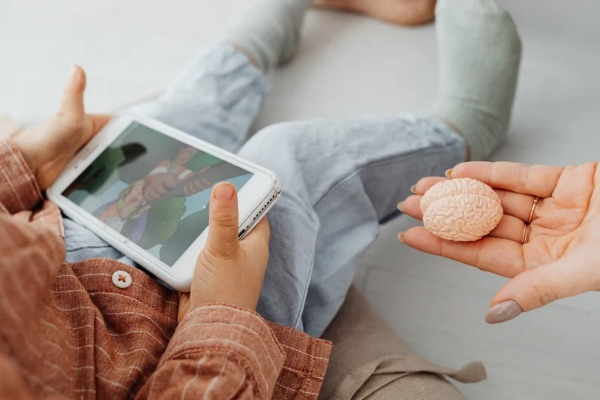
Screen Time, Virtual Autism, and What Indian Parents Need to Know
In recent years, many Indian parents have noticed that excessive screen use in children can lead to attention difficulties, social delays, and behaviour changes. Some experts refer to this phenomenon as “Virtual Autism,” where children show autism-like traits due to prolonged screen exposure rather than developmental conditions. While screens are part of modern life, understanding their impact and creating balance is crucial for healthy development.
1. Understanding the Impact of Excessive Screen Time
Too much screen exposure can affect children in several ways:
- Reduced social interaction and eye contact
- Difficulty focusing on tasks or following instructions
- Delays in language development or communication skills
- Increased irritability, tantrums, or withdrawal
It’s important to note that not all children are affected equally—some may tolerate screens better, while others may show heightened sensitivity or behavioural challenges.
2. Signs Parents Should Watch For
- Prefers screens over interaction with family or peers
- Limited interest in imaginative play or outdoor activities
- Struggles with transitions away from devices
- Repetitive behaviours or difficulty with social engagement
If you notice these signs consistently, it may be time to reassess screen habits and seek guidance.
3. Practical Strategies for Indian Families
- Set Clear Screen Limits: Define daily or weekly limits and communicate them clearly.
- Co-View and Participate: Engage with your child during screen time; ask questions and discuss what they see.
- Encourage Alternative Activities: Sensory play, construction activities, reading, or outdoor play can replace passive screen time.
- Create Screen-Free Zones: Mealtimes, bedrooms, and study areas should ideally be screen-free.
- Use Timers and Routines: Gradually reduce screen exposure rather than abrupt bans, which can cause resistance.
4. Collaborating with Therapists
For children showing developmental delays or behavioural challenges due to screen overuse, therapists can help:
- Assess social, cognitive, and communication skills
- Create structured routines integrating both learning and play
- Teach screen management strategies to the family
- Support gradual transition to alternative activities
5. Balancing Technology in Modern Life
Technology itself isn’t bad—it can be educational and entertaining. The key is balance and mindful use. Encourage interactive apps, creative games, and educational videos while ensuring plenty of real-world experiences, social interaction, and physical activity.
Conclusion: While screens are a part of modern life, Indian parents can protect their children from the negative effects of overuse by setting limits, providing alternatives, and collaborating with therapists when needed. Balanced technology use fosters healthy development, creativity, and social-emotional growth.
By Dr. Ritik Sonule (OT)
Book a consultation now through our website – Raising With Purpose.

Rosalina D. Willaimson
Lorem ipsum dolor sit amet consectetur adipisicing elit sed do eiusmod tempor incididunt ut labore ullamco aliquip commodo.

How to Choose the Right Therapy Services for Your Child in India

Gentle Parenting and Positive Discipline – A New Wave in Indian Homes

Low-Mess, High-Impact Sensory & Construction Activities for School-Age Kids