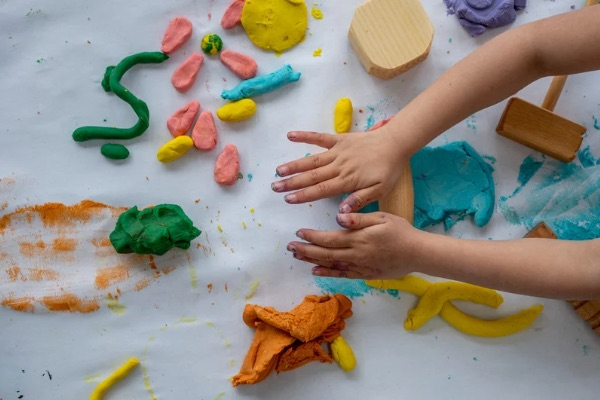
Low-Mess, High-Impact Sensory & Construction Activities for School-Age Kids
Children learn best through hands-on play, but as a parent, it can sometimes feel overwhelming to manage mess, clutter, and materials at home. The good news is that there are many low-mess, high-impact sensory and construction activities that support cognitive development, fine and gross motor skills, creativity, and problem-solving—all while keeping your home manageable. These activities are especially beneficial for school-age children and for children with behavioural or developmental challenges.
1. Why Sensory and Construction Play Matters
Sensory play engages a child’s senses—touch, sight, hearing, smell, and sometimes taste—and promotes:
• Cognitive development (learning about textures, cause and effect)
• Motor skill refinement (hand strength, coordination)
• Emotional regulation (calming or alerting the nervous system)
• Language and social skills (describing textures, working with peers or parents)
Construction play, like building with blocks or creating structures, enhances:
• Spatial reasoning and problem-solving
• Creativity and imagination
• Persistence and planning skills
Combining low-mess approaches with these benefits makes play fun and educational.
2. Low-Mess Activity Ideas for Home
Here are some practical, low-mess activities that Indian parents can easily try:
1. Straw and Clip Construction:
• Materials: Plastic straws and paper clips or connectors
• Children can build towers, houses, or geometric shapes.
• Benefits: Fine motor skills, spatial awareness, creativity
2. DIY Sensory Bags:
• Materials: Ziploc bags, water beads, hair gel, small toys
• Children can press, squish, and explore without spilling.
• Benefits: Tactile exploration, calming effect, focus
3. Paper Roll or Cardboard Structures:
• Materials: Empty cardboard rolls, tape, small boxes
• Children can design tunnels, bridges, or creative sculptures.
• Benefits: Problem-solving, engineering concepts, imaginative play
4. Bead Jewelry or Dried Flower Ornaments:
• Materials: Beads, threads, dried flowers, glue sticks
• Children create personalized accessories or decorations.
• Benefits: Fine motor skills, patience, artistic expression
5. Indoor Obstacle Courses:
• Materials: Cushions, chairs, tape for boundaries
• Children navigate through obstacles, jump, balance, or crawl.
• Benefits: Gross motor skills, coordination, energy release
3. Tips for Parents
• Keep materials organized: Use small boxes or containers to avoid clutter.
• Observe, don’t interfere too much: Let your child experiment and problem-solve.
• Celebrate creativity, not perfection: The process is more important than the final product.
• Adapt for abilities: Modify the activity to match age or skill level.
4. Benefits Beyond Play
Low-mess sensory and construction activities also help children:
• Develop focus and attention
• Learn planning and sequencing skills
• Express emotions safely
• Gain confidence as they complete tasks independently
Conclusion: Low-mess, high-impact play is a practical way to help children grow cognitively, emotionally, and physically while keeping parents stress-free. With simple materials, creativity, and observation, every child can enjoy enriching play experiences at home.

Rosalina D. Willaimson
Lorem ipsum dolor sit amet consectetur adipisicing elit sed do eiusmod tempor incididunt ut labore ullamco aliquip commodo.
How to Choose the Right Therapy Services for Your Child in India

Gentle Parenting and Positive Discipline – A New Wave in Indian Homes
Supporting Children With Autism or Behavioural Challenges – Building Routines & Independence